
Missing teeth can affect more than the way your smile looks. They can change how you chew, how clearly you speak, and how confident you feel in everyday conversations. For many adults and seniors, dentures and partial dentures offer a practical way to restore function and improve quality of life.
If you are exploring dentures and partials in Idaho Falls, it helps to understand your options before making a decision. Some patients need a full denture to replace an entire arch of missing teeth, while others may only need a partial denture to replace one or several teeth. In some cases, dental bridges or dental implants may also be worth discussing.
At Dixon Dental Center, patients can learn about tooth replacement options in a comfortable, local setting. Whether you are missing one tooth, several teeth, or a full set of teeth, the right solution depends on your oral health, gum condition, jawbone support, budget, and personal goals.
What Are Dentures and Partials?
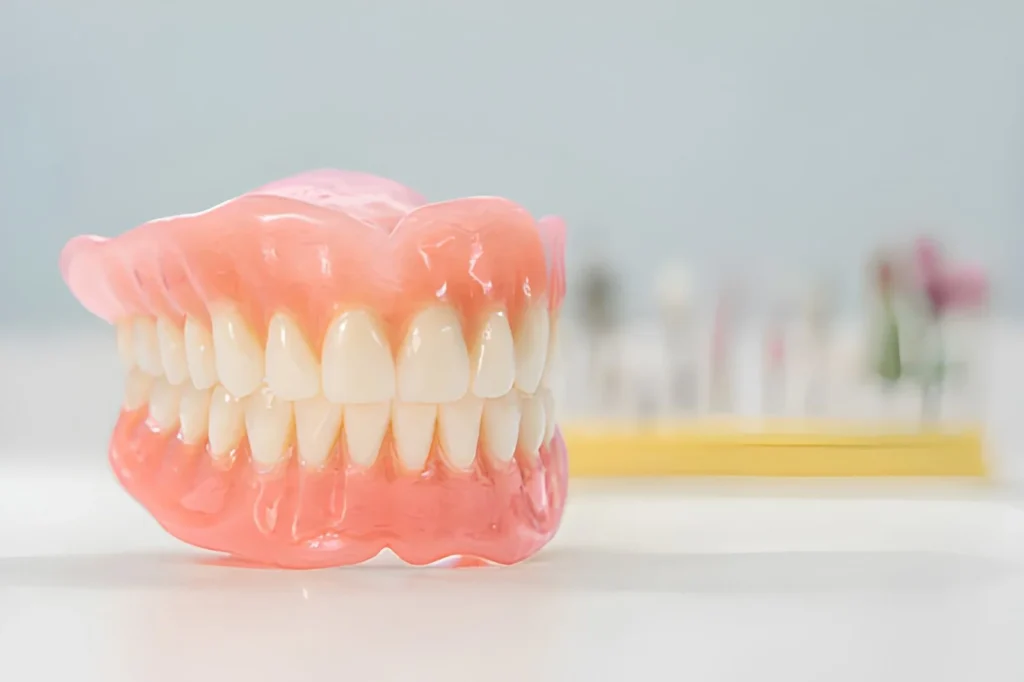
Dentures are removable dental appliances designed to replace missing teeth and help restore chewing, speaking, and smile appearance. They are custom-made to fit your mouth and are commonly used when natural teeth are no longer healthy enough to support normal function.
There are two main types of removable dentures:
Full dentures are used when all teeth in the upper arch, lower arch, or both arches need to be replaced. Patients looking for full dentures in Idaho Falls may be missing all teeth already or may need remaining damaged teeth removed before a denture is made.
Partial dentures are used when some natural teeth remain. A partial denture fills the gaps left by missing teeth and often uses the remaining teeth for support. Patients searching for partial dentures in Idaho Falls may still have several healthy teeth but need help replacing teeth lost to decay, gum disease, injury, or wear.
Dentures and partials can help restore a more complete smile, but they are not one-size-fits-all. A dental evaluation is important because every patient’s mouth, bite, and oral health needs are different.
For more details about available treatment options, visit Dixon Dental Center’s page on dentures and partials in Idaho Falls.
When Dentures or Partials May Be Recommended
Dentures or partial dentures may be recommended when missing teeth are making it difficult to eat, speak, or smile comfortably. They may also be considered when damaged teeth can no longer be restored with fillings, crowns, or other dental treatments.
Common signs that you may need to discuss missing teeth solutions in Idaho Falls with a dentist include:
- You have one or more missing teeth
- You avoid certain foods because chewing is difficult
- Your remaining teeth have shifted after tooth loss
- You feel self-conscious when smiling or speaking
- Your dentures feel loose, worn, or uncomfortable
- You have several teeth that are damaged, loose, or painful
- You are comparing dentures, bridges, and implants
Missing teeth can also affect oral health over time. Gaps may allow nearby teeth to shift, which can affect your bite. Chewing on one side of the mouth may cause uneven pressure. If tooth loss is related to gum disease, periodontal care may also be needed before a long-term replacement plan can be created.
A consultation helps determine whether removable dentures, implant-supported dentures, crowns and bridges, or dental implants may be the better fit.
Full Dentures vs Partial Dentures: What Is the Difference?
The biggest difference between full dentures and partial dentures is how many teeth they replace.
Full dentures replace a complete arch of missing teeth. They rest on the gums and are designed to restore the appearance and function of an entire upper or lower set of teeth. Some full dentures are placed after teeth have already been removed, and the gums have healed. In other cases, an immediate denture may be discussed so the patient is not without teeth during the healing period.
Partial dentures replace only the missing teeth while keeping healthy natural teeth in place. They may include replacement teeth attached to a gum colored base, sometimes with clasps or other support features that help hold the appliance in position.
Patients often ask whether partial dentures are better than full dentures. The answer depends on the condition of the remaining teeth. If several natural teeth are healthy and stable, a partial denture may help preserve them while replacing only what is missing. If most or all teeth are severely damaged or loose, full dentures may be more appropriate.
This is why a dental exam matters. The best option is based on your remaining teeth, gum health, bone support, comfort, and long-term treatment goals.
How Dentures Compare With Bridges and Dental Implants
Dentures are one of several tooth replacement options Idaho Falls patients may consider. During a consultation, your dentist may also discuss dental bridges, dental implants, or implant-supported dentures.
A dental bridge is often used when one or more teeth are missing in the same area. It is usually supported by nearby teeth or implants. Patients exploring dental crowns and bridges in Idaho Falls may be good candidates if the surrounding teeth are strong enough to support the restoration.
Dental implants are designed to replace tooth roots and support a crown, bridge, or denture. Patients considering dental implants in Idaho Falls may prefer an option that offers strong support and stability, but candidacy depends on jawbone health, gum health, medical history, and other factors.
Implant-supported dentures may be an option for some patients who want more stability than traditional removable dentures. These dentures connect to dental implants for added support. They may help reduce movement while chewing or speaking, but not every patient is a candidate.
Traditional removable dentures can still be a helpful and affordable solution for many people. The right treatment depends on the number of missing teeth, the condition of your mouth, your comfort preferences, and your budget.
What to Expect During a Denture Consultation
A denture consultation is designed to help you understand your options without pressure. At Dixon Dental Center, the process may begin with a conversation about your concerns, symptoms, oral health history, and goals.
Your visit may include:
- A review of your missing or damaged teeth
- An evaluation of your gums and bite
- X-rays or imaging when needed
- A discussion of full dentures, partial dentures, bridges, and implants
- A review of comfort, appearance, and maintenance expectations
- A personalized treatment recommendation
If you still have remaining teeth, the dentist will evaluate whether they can be saved or restored. In some cases, dental crowns, bridges, or periodontal care may be recommended before dentures are made. If your gums need time to heal after extractions, your dentist can explain the expected timeline.
Patients who are unsure whether they need dentures can also read more about being a good candidate for dentures.
Adjusting to New Dentures or Partials
It is normal for new dentures or partial dentures to feel different at first. Your mouth, tongue, cheeks, and gums need time to adapt. Some patients adjust quickly, while others need a few weeks to feel more comfortable.
During the adjustment period, you may notice changes in speaking, chewing, or saliva flow. Minor sore spots can also happen as the appliance settles. Follow-up visits are important because adjustments can help improve comfort and fit.
Helpful tips when adjusting to new removable dentures include:
- Start with softer foods
- Cut food into smaller pieces
- Chew slowly on both sides of the mouth
- Practice reading aloud to improve speech comfort
- Follow your dentist’s instructions for wearing and cleaning
- Schedule adjustments if discomfort does not improve
Dentures should not be expected to feel exactly like natural teeth, but they can help many patients eat, speak, and smile with more confidence.
Denture Care Tips for Long-Term Comfort
Good daily care helps protect your mouth and keeps your dentures or partials in better condition. Your dentist will provide specific instructions based on your appliance, but general denture care tips include cleaning your dentures daily, removing them when recommended, and keeping up with regular dental visits.
You should clean your dentures or partial dentures with a denture-safe cleanser or as directed by your dentist. Avoid using harsh products that may damage the material. When dentures are out of your mouth, they may need to be stored properly to keep them from drying out or changing shape.
It is also important to clean your gums, tongue, and any remaining natural teeth. If you wear partial dentures, your natural teeth still need daily brushing and flossing to reduce the risk of decay and gum problems.
For additional patient-friendly guidance, you can review this partial denture information from MouthHealthy.
When to Contact Dixon Dental Center in Idaho Falls
If you are missing teeth or struggling with loose, damaged, or uncomfortable teeth, it may be time to talk with a local dentist. The sooner you understand your options, the easier it may be to protect your oral health and plan a treatment that fits your needs.
Dixon Dental Center helps patients compare dentures and partials in Idaho Falls with other solutions such as bridges, dental implants, and implant-supported dentures. Whether you need to replace one tooth, several teeth, or a full arch, a consultation can help you feel more informed and confident.
If you are ready to discuss ways to replace missing teeth in Idaho Falls, you can schedule an appointment with Dixon Dental Center.
Conclusion
Dentures and partials can be a helpful solution for patients who are missing teeth and want to improve chewing, speaking, and smile confidence. Full dentures may be used when an entire arch of teeth needs replacement, while partial dentures may be recommended when some healthy natural teeth remain.
The best choice depends on your oral health, number of missing teeth, gum condition, jawbone support, budget, and personal goals. By scheduling a consultation with Dixon Dental Center, patients in Idaho Falls can better understand their options and choose a treatment plan that supports long-term comfort and oral health.
FAQ About Dentures and Partials in Idaho Falls
What is the difference between dentures and partials?
Dentures usually refer to appliances that replace missing teeth. Full dentures replace a complete upper or lower arch, while partial dentures replace one or more missing teeth when some natural teeth remain. Both are designed to restore function and appearance, but they are used in different situations.
Are partial dentures better than full dentures?
Partial dentures are not always better than full dentures. They are simply used for different needs. If you still have healthy, natural teeth, a partial denture may help fill the gaps while keeping those teeth in place. If all teeth in an arch are missing or need removal, full dentures may be more appropriate.
How do I know if I need dentures or partials?
You may need dentures or partials if you are missing teeth, struggling to chew, noticing shifting teeth, or feeling self-conscious about your smile. A dentist can evaluate your teeth, gums, bite, and bone support to determine whether dentures, partials, bridges, or implants may be the right option.
Can dentures be supported by dental implants?
Yes, some dentures can be supported by dental implants. Implant-supported dentures may provide added stability compared with traditional removable dentures. However, candidacy depends on gum health, jawbone support, medical history, and other factors that should be reviewed during a dental consultation.
How long does it take to adjust to new dentures?
Many patients need a few weeks to adjust to new dentures or partial dentures. Speaking, chewing, and overall comfort may improve with practice and follow-up adjustments. If sore spots or looseness continue, your dentist should evaluate the fit.
How should I care for dentures or partial dentures?
Clean your dentures daily, handle them carefully, and follow your dentist’s instructions for soaking or storage. You should also clean your gums, tongue, and any remaining teeth every day. Regular dental visits help ensure your dentures continue to fit well and your mouth stays healthy.